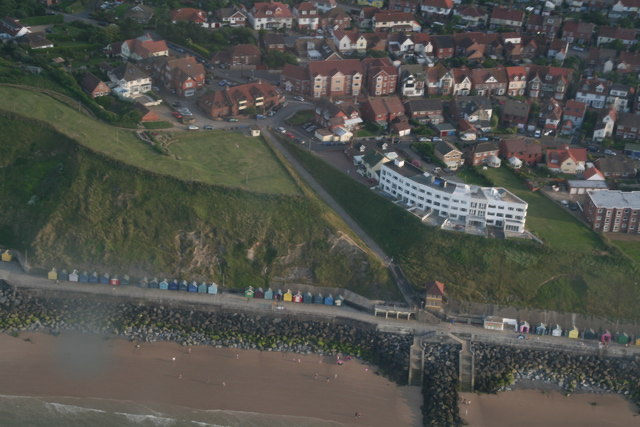
Sheringham hasn't tidied itself up for visitors.
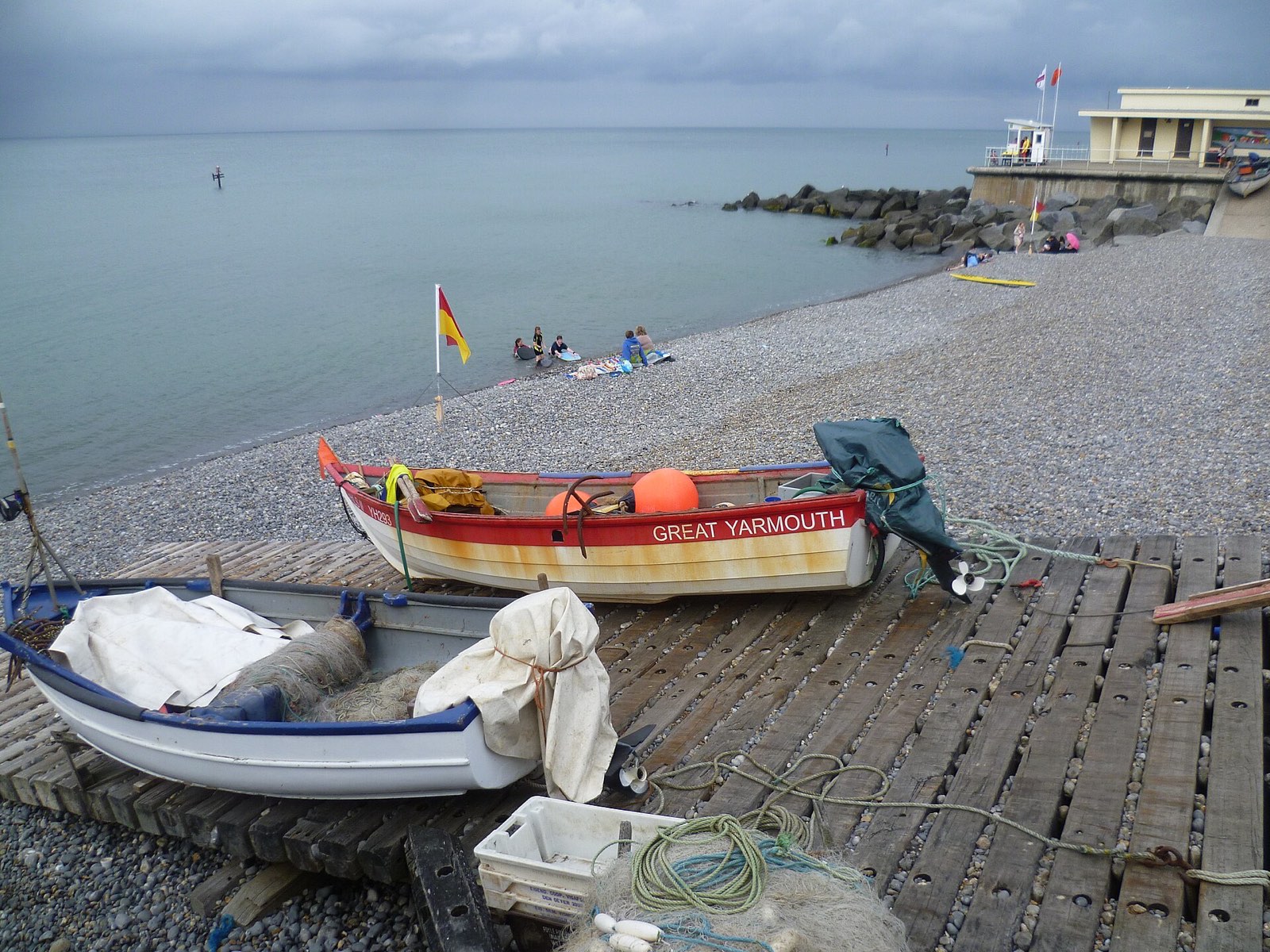
Eight boats, where there were once two hundred.
Sheringham's name is Norse in origin, and the town has been pulling a living from this stretch of coast since long before anyone thought to holiday here. Through the late 1800s, as many as two hundred boats worked these beaches for crab, lobster and herring, with the railway carrying the catch down to London overnight.
There's no harbour — there never has been — so the boats are still hauled straight up the shingle by hand, much as they always were. Only a handful work the water now, but you'll see them most mornings, nets drying, gulls arguing over what's left in the bottom of the boat.
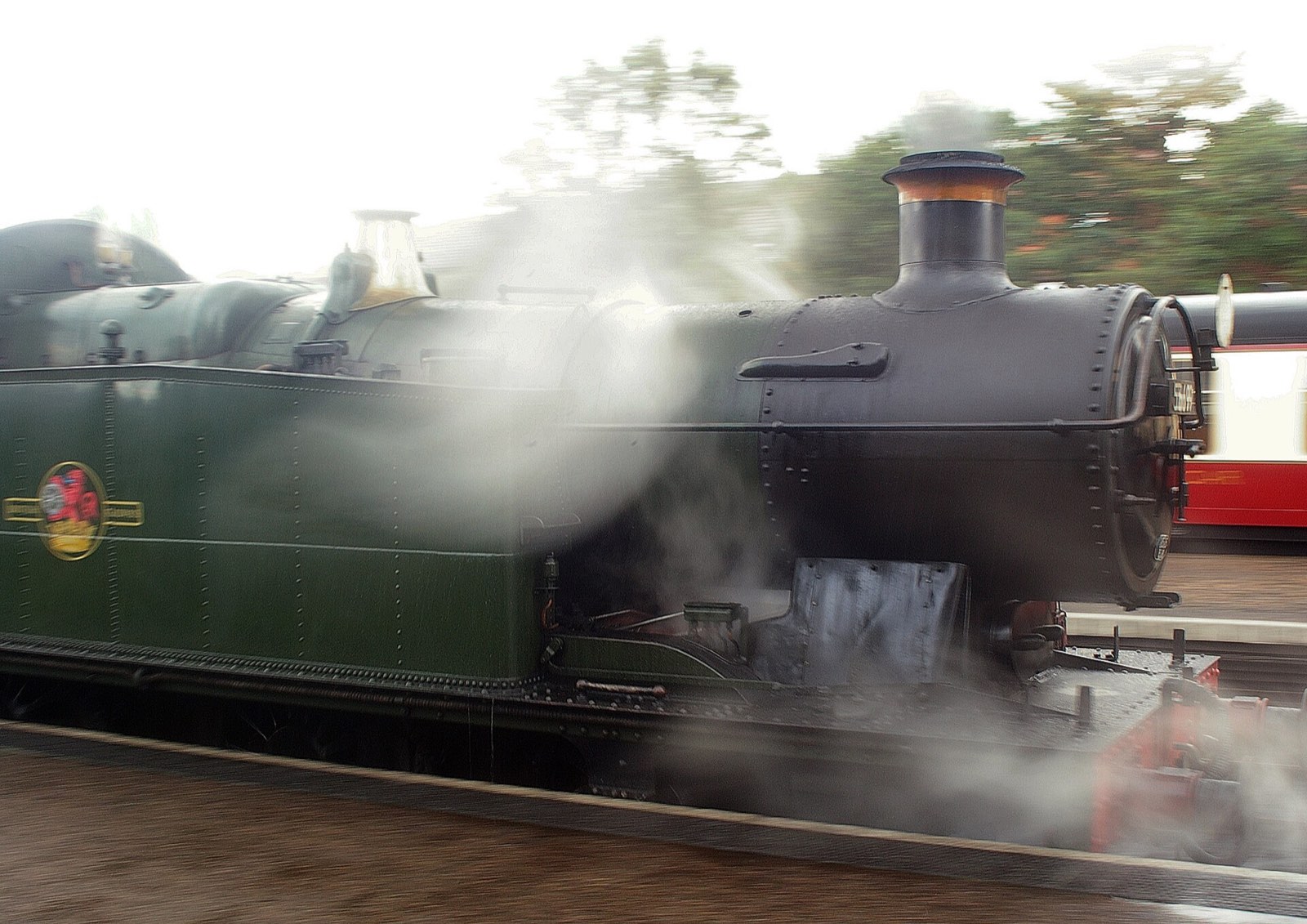
The Poppy Line, and not much need for a car.
The North Norfolk Railway — everyone calls it the Poppy Line — runs steam services from Sheringham station along the coast to Holt, five miles inland through heath and woodland. It's a proper working railway, not a museum piece wheeled out for summer.
Between the train, the beach, and a town small enough to cross on foot in ten minutes, most weeks at Splashpoint go by without the car leaving wherever it's parked.
What there is to do, roughly in order of effort
Walking the cliff path
The Norfolk Coast Path runs along the top of the cliffs east towards Cromer, and west towards Weybourne and Blakeney — heath, shingle, and a lot of sky. Take a coat regardless of what the morning looks like.
Rock pools and low tide
At low water the beach gives up crabs, anemones and the occasional argument about who saw what first. Bring a net if you have small children, or borrow the enthusiasm of someone else's.
Sheringham Museum, The Mo
A proper local museum built around the town's fishing history, with a lifeboat, boat-building stories, and enough local memory to make sense of the boats you'll have seen on the beach.
The shops and the chippy
A short walk gets you to the high street, the pubs, and at least one debate per holiday about which fish and chip shop is the better one. We don't take sides.
“The murals along the front, the boats on the shingle, the smell of the crab stalls — this is still a fishing town first, and a seaside one second.”